EPA's Proposal to Roll Back Methane Pollution Safeguards Sparks Outrage
On October 7, 2026, U.S. Environmental Protection Agency (EPA) Administrator Lee Zeldin announced in a closed-door meeting with fossil fuel industry representatives the agency's intention to roll back critical methane pollution safeguards finalized in 2024. This proposed reversal, if enacted, would permit oil and gas companies to increase methane emissions, further exacerbating climate change and endangering public health.
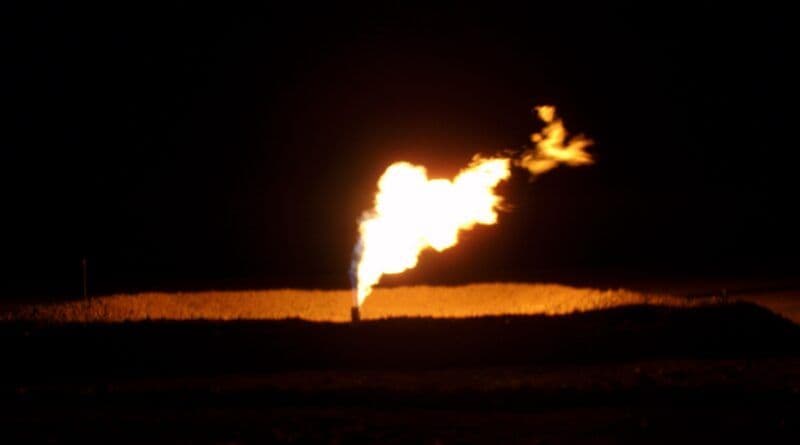
The safeguards, originally put in place by the Biden administration, aimed to significantly reduce methane and other harmful pollutants from the oil and gas sector. They included provisions requiring operators to capture gas at oil wells instead of flaring it, conduct regular inspections to detect leaks, and utilize zero-emission electric pumps instead of gas-powered devices. These measures were designed based on readily available technologies and practices, making them both practical and cost-effective.
However, shortly after taking office in 2025, the Trump administration suspended the enforcement of these standards, delaying implementation by up to 18 months without evidence of compliance issues. The recent announcement signals a move towards permanently eliminating key protections, including the ban on routine flaring and a program that leverages third-party monitoring to identify and mitigate significant methane releases, known as super-emitter events.
The rollback would also exempt low-producing wells from leak monitoring requirements, despite evidence indicating that these wells contribute significantly to methane emissions. Approximately one in ten Americans live near a county with over a thousand low-producing wells, which collectively account for nearly half of the sector's methane emissions, predominantly owned by large, profit-driven corporations.
In response to the proposed changes, the Sierra Club and other environmental organizations expressed their strong opposition. Mahyar Sorour, Director of Beyond Fossil Fuels Policy at the Sierra Club, criticized the Trump administration's actions as a betrayal of public health and safety, stating that the rollback serves the interests of fossil fuel executives rather than the American populace. He emphasized that the standards were developed through extensive consultation with health experts and community advocates, aiming to protect communities from pollution.
Sarah Corcoran, Deputy Director of the Sierra Club Pennsylvania Chapter, underscored the importance of enforceable regulations in holding companies accountable for methane emissions. She argued that the Trump administration's rollback would not benefit the industry or the environment, and would ultimately harm the health of Americans.
Antoinette Reyes, Organizer for the Sierra Club Rio Grande Chapter, highlighted the need for federal protections against methane pollution, especially in New Mexico, where many low-producing wells exist. She argued that the rollback would create loopholes that could further endanger communities already burdened by pollution.
Ramesh Bhatt, Chair of the Colorado Sierra Club's Conservation Committee, pointed out that the rollback comes at a time when Americans are facing rising energy prices, and allowing increased pollution would lead to higher health costs. He noted Colorado's proactive stance in adopting the 2024 federal methane rules to protect its residents and environment.
Cyrus Reed, Legislative and Conservation Director of the Sierra Club’s Lone Star Chapter, expressed concern over the lack of state-level regulations in Texas, which has the highest methane emissions in the nation. He criticized the proposed rollback as a direct affront to Texans who rely on the EPA for protection against environmental hazards.
Methane is a potent greenhouse gas, with a warming potential over 80 times that of carbon dioxide over a 20-year period. The EPA's analysis of the 2024 standards projected that they would prevent 58 million tons of methane emissions through 2038, along with significant reductions in volatile organic compounds and air toxins.
The proposed rollback has ignited a broader conversation about the need for stringent environmental regulations and the responsibility of government agencies to protect public health and the environment from the impacts of fossil fuel extraction. As the debate continues, community advocates and environmental groups are urging state governments to adopt stronger protections to counteract potential federal rollbacks.
More about Sierra Club
View all
Trump EPA Extends Emissions Reporting Deadline for Big Polluters
The Trump administration's EPA has extended the deadline for major polluters to report greenhouse gas emissions, raising concerns among environmental advocates.
Oct 10, 2026
Bipartisan Legislation Aims to Reauthorize Clean School Bus Program
The Alliance for Electric School Buses commends new bipartisan legislation to extend the Clean School Bus Program, which has already funded over 8,000 low- or zero-emission buses across the United States.
Oct 10, 2026More about EPA
View all
Kia Launches the EV3 in U.S. Dealerships: A Game-Changer in Electric Mobility
Kia has officially launched the EV3, its latest all-electric SUV, in U.S. dealerships, marking a significant step in making electric mobility more accessible and appealing to a broader audience. With impressive specifications, innovative features, and an attractive price point, the EV3 aims to redefine the entry-level electric vehicle market.
Oct 11, 2026Trump EPA Extends Emissions Reporting Deadline for Big Polluters
The Trump administration's EPA has extended the deadline for major polluters to report greenhouse gas emissions, raising concerns among environmental advocates.
More about Environmental Protection Agency
View allTrump EPA Extends Emissions Reporting Deadline for Big Polluters
The Trump administration's EPA has extended the deadline for major polluters to report greenhouse gas emissions, raising concerns among environmental advocates.
Oct 10, 2026Bipartisan Legislation Aims to Reauthorize Clean School Bus Program
The Alliance for Electric School Buses commends new bipartisan legislation to extend the Clean School Bus Program, which has already funded over 8,000 low- or zero-emission buses across the United States.
Oct 10, 2026More about Trump
View all
Exploring the Perception of Radicalism in American Politics
A recent article discusses the perception of the left as 'radical' in American politics, highlighting the disparity between public opinion and the beliefs of a minority.
Oct 11, 2026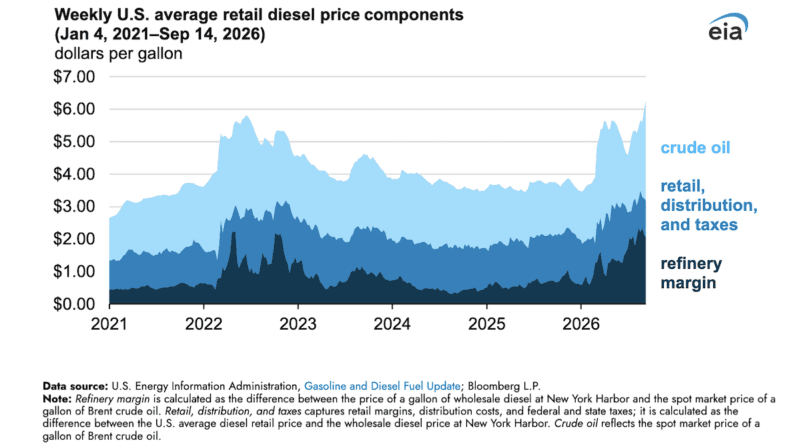
Trump's Diesel Fuel Deal with Russia Faces Scrutiny Amid High Prices
In a controversial move ahead of the 2026 mid-term elections, President Trump has sought assistance from Russia to lower diesel fuel prices in the U.S., but the initiative has raised concerns about its feasibility and potential consequences.
Oct 11, 2026More about Trump administration
View allTrump EPA Extends Emissions Reporting Deadline for Big Polluters
The Trump administration's EPA has extended the deadline for major polluters to report greenhouse gas emissions, raising concerns among environmental advocates.
Oct 10, 2026
Sierra Club Criticizes Trump Administration's Environmental Review Bypass for Arctic Oil Drilling
The Trump administration's recent decision to bypass environmental reviews for oil drilling in the Arctic has drawn sharp criticism from the Sierra Club, which warns of significant risks to wildlife and local communities.
More about U.S.
View all
2026's Most Efficient Solar Panels: A Comprehensive Overview
In 2026, the solar panel market is marked by significant advancements in efficiency, with back contact modules leading the way. This article explores the top-performing solar panels, their efficiencies, and what factors influence their performance and availability.
Oct 12, 2026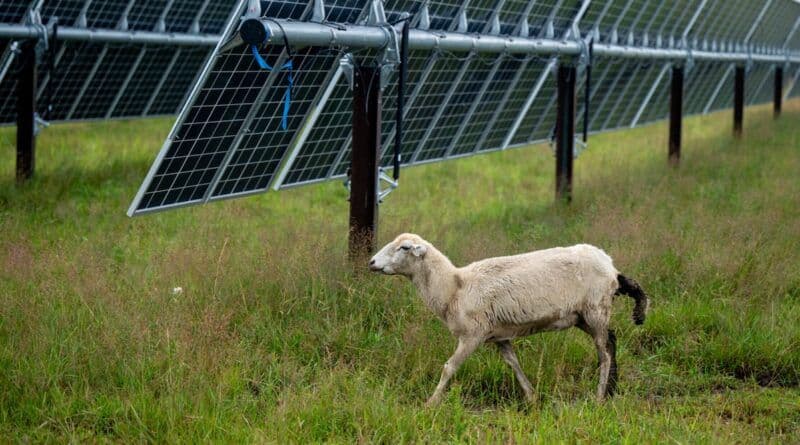
Agrivoltaics: A New Frontier for Farmers Amid Rising Fuel Costs
The agrivoltaic movement presents farmers with innovative opportunities to enhance their income through the integration of solar energy and agriculture, particularly highlighted by the recent developments in Indiana's Mammoth solar project.
Oct 12, 2026More about Colorado
View all
Texas Breaks Electricity Demand Records Amid Renewable Energy Growth
In a remarkable turn of events, Texas has successfully managed record electricity demands without issuing conservation requests, thanks to significant advancements in solar, wind, and battery storage technologies. Meanwhile, a controversial renewable energy project in Colorado faces opposition from local communities and Indigenous groups.
Sep 27, 2026
U.S. Department of Energy Launches Geothermal Center of Excellence at NLR Campus
The U.S. Department of Energy has inaugurated a Geothermal Center of Excellence at the National Laboratory of the Rockies, aimed at advancing geothermal energy through collaboration and innovation.
Get green transition news in your inbox