Tesla Robotaxi Tested in San Francisco: A Comparative Experience
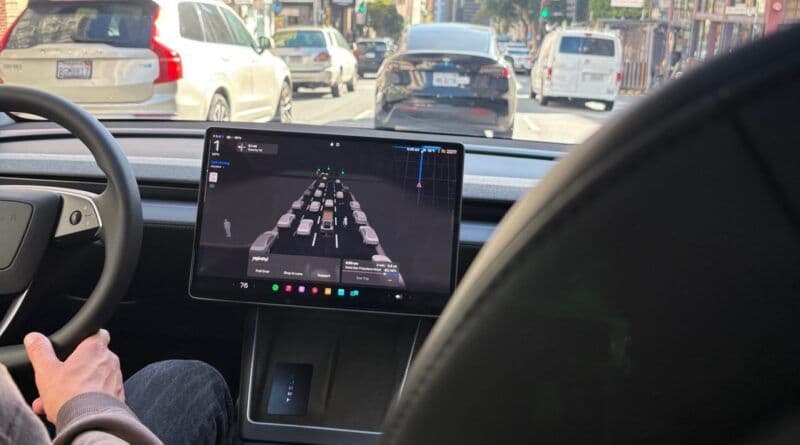
Paul Fosse recently spent four days in San Francisco testing Tesla's Robotaxi service, comparing it against established ride-hailing platforms such as Uber, Lyft, and Waymo. His experience, which was documented in detail, sheds light on the current state of Tesla's autonomous vehicle technology and its readiness for unsupervised operation.
### Introduction Fosse's trip was initially motivated by the anticipation of significant advancements in Tesla's Full Self-Driving (FSD) capabilities. However, he found that progress has been slower than expected, with no new versions of the FSD software emerging recently. During his stay, he aimed to evaluate the Tesla Robotaxi service's performance in terms of wait times, pricing, and overall ride quality.
### Wait Times Over the course of his four-day evaluation, Fosse attempted to summon a Tesla Robotaxi ten times. He noted that the wait times were often longer than those for Uber and Lyft, with some instances seeing him waiting twice as long. On two occasions, he opted for Uber or Lyft instead, as the Robotaxi was unavailable due to high demand. Out of the ten attempts, he successfully utilized the Tesla Robotaxi for seven rides.
### Pricing When comparing pricing, Fosse found Tesla's fares to be significantly lower than those of Waymo, which consistently charged more for similar distances. For shorter trips, the price difference between Tesla and the other services was minimal, often just a dollar or two. Notably, Tesla does not allow passengers to tip their drivers, which differs from the practices of Uber and Lyft. The pricing structure for Tesla’s Robotaxi service remains uncertain, as it is likely subject to change once the service is rolled out more broadly.
### Ride Experience The process of calling a Robotaxi was found to be similar to that of other ride-hailing services. However, Fosse noted that identifying the correct vehicle was sometimes more challenging, as Tesla and Waymo vehicles do not have identifying features like Uber and Lyft's drivers. The app's pickup location feature occasionally misled him, causing confusion about where to meet the vehicle.
During his seven rides, Fosse experienced two instances of disengagement, where the safety driver took control to adjust the drop-off location. He expressed ambivalence regarding the necessity of these interventions, suggesting that the original drop-off points were adequate. In terms of ride quality, he found the Tesla Robotaxi to be smoother than Uber or Lyft rides, although he acknowledged that experiences could vary based on the specific driver.
### Conclusion Fosse concluded that Tesla's Robotaxi service is nearing readiness for an unsupervised rollout, pending necessary data and regulatory approvals. The upcoming release of FSD version 14.3 is anticipated to address existing issues, potentially paving the way for expanded service in cities like Austin and San Francisco. However, the uncertainty surrounding the software's performance leaves questions about when the safety drivers will be fully removed from the vehicles.
In summary, while Tesla's Robotaxi service shows promise in terms of pricing and ride quality, challenges remain in wait times and the need for safety drivers. As Tesla continues to refine its technology, stakeholders await the next steps in the evolution of autonomous ride-hailing services.
More about Waymo
View all
Waymo Reports Significant Safety Improvements in Robotaxi Operations
Waymo has announced a substantial increase in the number of avoided injuries due to its autonomous driving technology, highlighting a dramatic reduction in injury-causing crashes across major U.S. cities.
Sep 25, 2026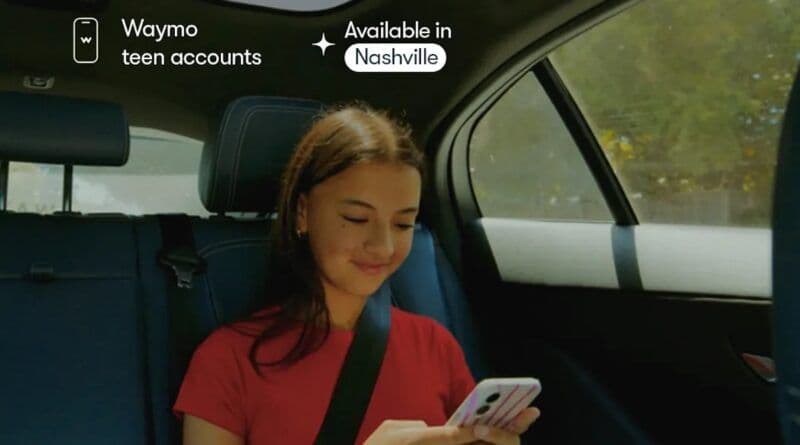
Waymo Introduces Teen Accounts for Autonomous Rides in Nashville
Waymo has launched its teen account feature in Nashville, allowing teens aged 13-17 to access fully autonomous rides linked to their parents' accounts, enhancing independence and easing parental concerns.
Sep 23, 2026More about Tesla
View all
September 2026: Major Developments in Electric Trucks and Buses
September 2026 saw significant advancements in the deployment of electric trucks and buses, with over 4,500 orders placed, including a record-setting order for Tesla's semi-trucks and substantial commitments from major companies like FedEx and Google.
Oct 8, 2026
Record Electric Vehicle Sales in the UK: A September Surge
September 2026 marked a significant milestone for electric vehicle (EV) sales in the UK, with nearly 100,000 units sold, reflecting a 36% increase from the previous year. This surge is attributed to a growing variety of models, attractive discounts, and rising fuel prices.
Get green transition news in your inbox