US Army Partners with Harbinger Motors for Hybrid-Electric Autonomous Resupply Vehicles
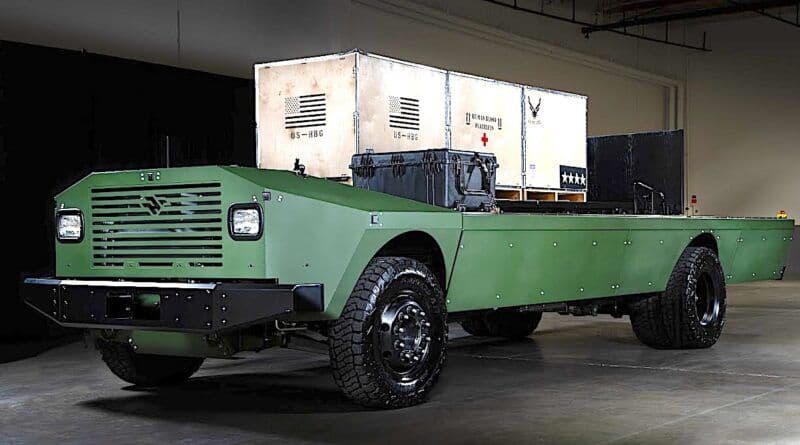
On August 3, 2026, the US Army announced a groundbreaking partnership with California-based EV startup Harbinger Motors, along with American Rheinmetall and other collaborators, to develop uncrewed, hybrid-electric resupply vehicles. This initiative represents a pivotal moment for the Army as it embraces vehicle electrification and autonomous technologies, which have become increasingly vital in modern warfare.
For years, the Army has approached vehicle electrification cautiously, primarily due to concerns regarding battery safety in active war zones. However, with the growing importance of autonomous vehicles in military operations, the Army is now taking decisive steps forward. The contract awarded to Harbinger Motors is set for an 18-month period, during which the company will deliver vehicles designed to autonomously transport supplies to and from frontline troops, thereby enhancing operational efficiency and minimizing risks to soldiers in contested environments.
The partnership includes key players such as Rheinmetall, a global defense supplier, and Forterra, a specialist in autonomous vehicle technology. Harbinger Motors is expected to leverage its expertise in electric vehicle design to create vehicles that not only transport supplies but also integrate advanced features like voice control for improved interaction with soldiers.
Harbinger Motors has rapidly progressed since its inception in 2021, focusing on a stripped, modification-ready electric chassis aimed at the medium-duty electric truck market. As of April 2025, the company had secured significant partnerships and an impressive order book of 4,690 EVs, backed by a $100 million Series B funding round. This financial backing includes investments from notable firms such as the Technology Impact Fund of Capricorn and Tiger Global, among others.
The new vehicles being developed under this contract will feature hybrid power integration and autonomy, with a particular emphasis on reducing the heat signature and noise typically associated with traditional military vehicles. The Army's decision to pursue these technologies aligns with its broader strategy to modernize its logistics and combat capabilities, especially in light of lessons learned from recent conflicts, such as the ongoing war in Ukraine.
The Army's procurement process has evolved to accommodate the rapid adoption of civilian technologies, as evidenced by the 2023 iteration of the Other Transactions Guide issued by the Office of the Under Secretary of Defense for Acquisition and Sustainment. This guide aims to streamline the procurement of innovative solutions, allowing for quicker responses to emerging military needs. The Army's shift towards electric and hybrid vehicles is part of a larger trend to reduce reliance on traditional fuel sources, particularly in light of the challenges faced during the Russian invasion of Ukraine, where logistical failures were prominently highlighted.
Rheinmetall envisions a future where modular, transportable green hydrogen microgrids could support military operations in remote locations, enabling troops to resupply hydrogen fuel cell drones and ground robots without exposing them to unnecessary risks. This forward-thinking approach illustrates the potential for hybrid-electric vehicles to play a crucial role in the future of military logistics.
As the US Army continues to explore the benefits of electrification and autonomy, the collaboration with Harbinger Motors marks a significant step towards integrating these technologies into its operational framework. The development of hybrid-electric vehicles not only promises to enhance the Army's logistical capabilities but also reflects a broader commitment to embracing sustainable energy solutions in the defense sector. This partnership could serve as a model for future collaborations between military and civilian automotive manufacturers, paving the way for more innovative solutions in the field of defense logistics.
More about Russian
View all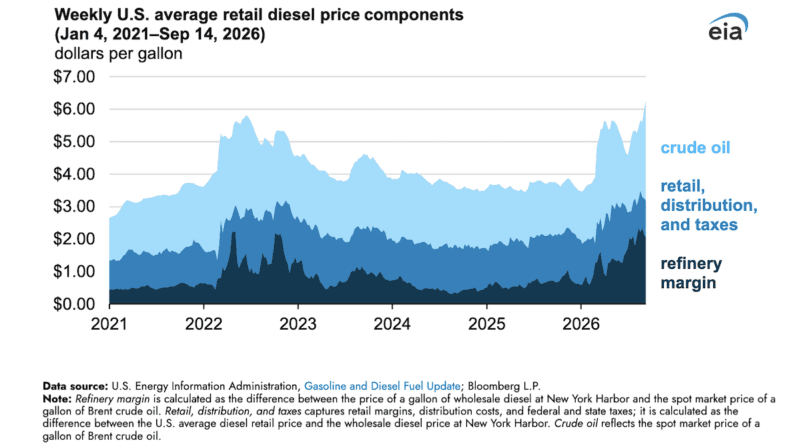
Trump's Diesel Fuel Deal with Russia Faces Scrutiny Amid High Prices
In a controversial move ahead of the 2026 mid-term elections, President Trump has sought assistance from Russia to lower diesel fuel prices in the U.S., but the initiative has raised concerns about its feasibility and potential consequences.
Oct 11, 2026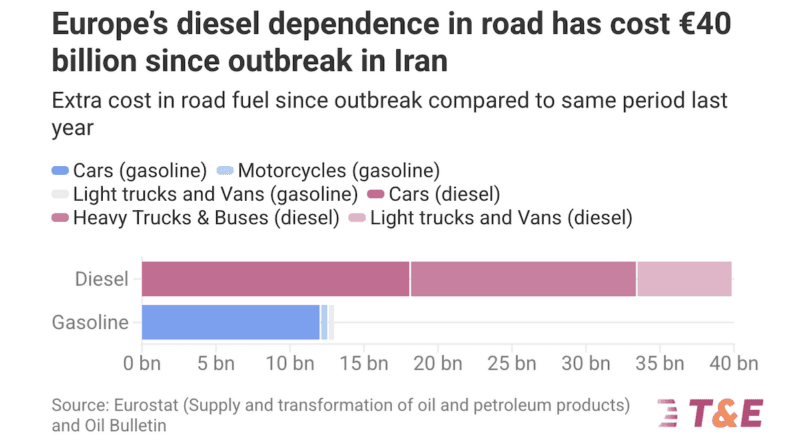
Europe Faces Diesel Crisis Amid Rising Prices and Economic Strain
Europe's escalating diesel crisis, exacerbated by geopolitical tensions and supply shortages, is significantly impacting the economy, prompting calls for urgent action to transition to sustainable energy sources.
Sep 23, 2026Get green transition news in your inbox